November 4, 2026
November is National Diabetes Month, and the American Red Cross has tied a small health perk to it. Donate blood this month and the Red Cross will run a free A1C test (also called hemoglobin A1C or HbA1c) on your donation and send you the result afterwards. So one appointment helps a patient who needs blood, and it also hands you a number about your own health that most of us never get around to checking.
Here is how the offer works, what the number means, and what to do once you have it.
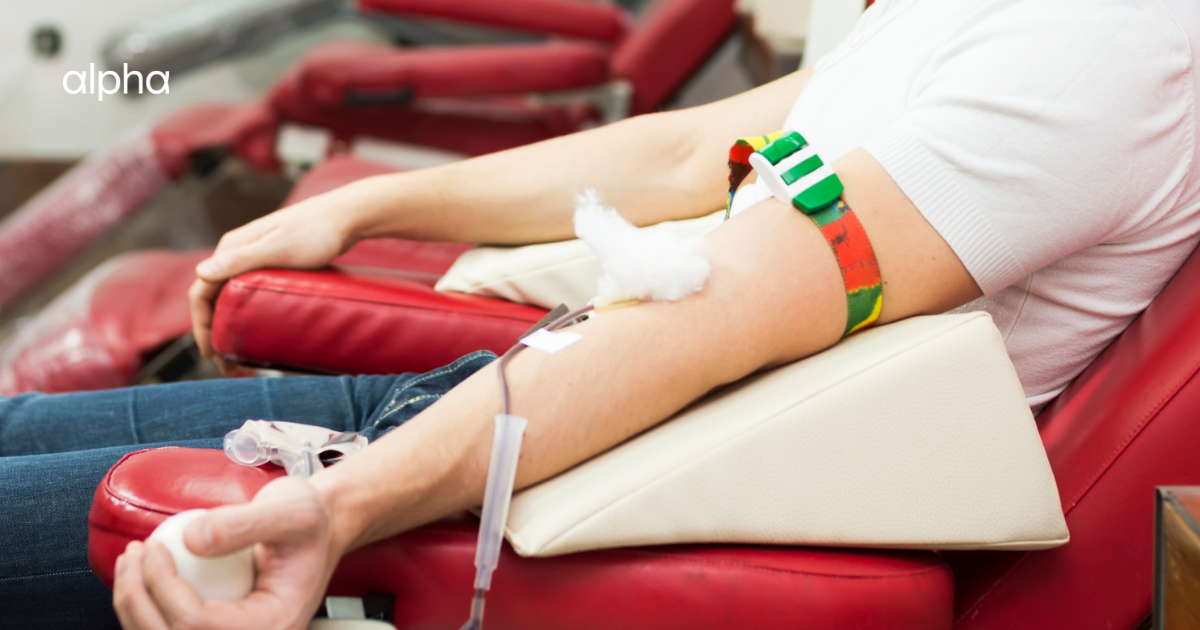
Successful donations in November come with a free A1C test. A few things worth knowing before you book:
To check whether you are eligible and book a slot, go to RedCrossBlood.org, use the Red Cross Blood Donor App, or call 1-800-RED CROSS.
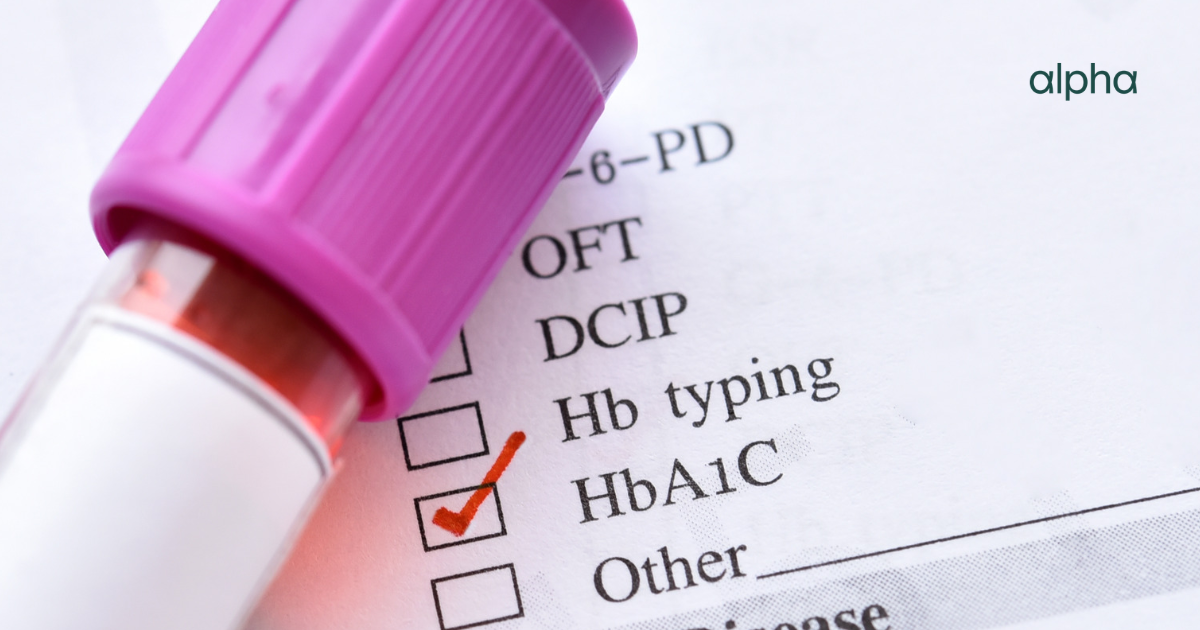
A1C is a blood test that shows your average blood sugar over the past 2 to 3months. A regular glucose reading only tells you what is happening right now, this morning, after that coffee. A1C smooths all of that out and tells you how things have been going over the whole season.
An A1C below 5.7% is in the normal range. The CDC uses these ranges:
One thing to keep in mind: a donation-day A1C is a screening result, a first look. If your number lands above the normal range, that is a reason to talk to a provider, who will likely order a follow-up test before making any diagnosis.
Prediabetes is common, and many people who have it do not know. The CDC estimates that 115.2 million U.S. adults have prediabetes, and that 11 million adults have diabetes without a diagnosis. Prediabetes can sit there for years without any obvious symptoms.
The Red Cross saw this in its own donors. In 2025 it returned A1C results to more than 920,000 people, and 1 in 5 had an elevated level. Of those, 80% were in the prediabetes range. These are people who felt well enough to give blood that day, which says a lot about how easy this condition is to miss.
The good news is that catching it early can change the outcome. According to the CDC, lifestyle changes like losing a small amount of weight if you have overweight or getting regular physical activities can cut the risk of type 2 diabetes in half.
A few of the CDC's risk factors for prediabetes relate specifically to women's health:
The rest apply to everyone: being 45 or older, having a parent or sibling with type 2 diabetes, being overweight, or being physically active fewer than three times a week. If any of these sound familiar, the CDC suggests asking a provider about blood sugar testing, whether or not you donate this month.
If your number is in the normal range, good news! File it with your health records so you have something to compare against next year.
If it falls in the prediabetes or diabetes range, share it with a provider. The Red Cross asks anyone with an elevated result to do the same. A provider can confirm the reading with a follow-up blood sugar test, explain what it means for you specifically, and help you put together a plan that fits your life.
That is something we can help with. Hello Alpha's board-certified providers treat prediabetes and type 2 diabetes online, so you can see a provider from home. Your provider can refer you to a lab near you for testing and then build a personalized plan with you. Diabetes care is included in our Plus+ membership at $79/month, which comes with 24/7 messaging with your provider and dietitian support if you want it.
Start a diabetes care visit with Hello Alpha
Do I need to fast before donating blood for the A1C test?
No. The Red Cross asks you to eat as usual before you give. A1C reflects months of blood sugar, so a meal that morning will not change the result, and it will make the donation easier on you.
How long does it take to get the A1C result?
For its March 2026 round, the Red Cross said results would appear within 1 to 2 weeks in the Red Cross Blood Donor App or the donor portal at RedCrossBlood.org. This can be a directional time range, please be sure to ask when you are donating to make sure.
Is a donation-day A1C the same as a diagnosis?
No. It is a screening result. If it comes back elevated, a provider will usually order a follow-up test before confirming prediabetes or diabetes.
What A1C level counts as prediabetes?
The CDC puts the prediabetes range at 5.7% to 6.4%. Anything 6.5% or above falls in the diabetes range.
Can I get two A1C results from the Red Cross in one year?
No. The offer provides one result per calendar year. If a donation earlier in 2026 already came with an A1C result, this one will not include a second.
This article is for general information and is not medical advice. Hello Alpha is not affiliated with the American Red Cross. Red Cross offer details are from RedCrossBlood.org as of Nov. 4, 2026 and may change; check RedCrossBlood.org for current terms.
Plus+ membership is $79/month; medication is billed separately, and membership does not guarantee a prescription. Care is provided by Hello Alpha Telemedicine, PA or its affiliated entities, depending on your location.
Diabetes
Your doctor’s office is now online. From primary care to weight loss and mental health, get treated from home: helloalpha.com

Your review helps other patients decide with confidence and helps us keep improving.